 how-to
Prevent Razor Bumps and Dark Spots for Men
Table of Contents
- Understanding Razor Bumps, Ingrown Hairs, and Dark Spots
- How to Prevent Razor Bumps for Men: Pre-Shave Preparation
- Shaving Technique: The Right Way to Shave With the Grain
- Dark Spots From Shaving: Post-Shave Care and Prevention
- Ingrown Hairs and Razor Bumps Prevention: Choosing the Right Tools
- How to Treat and Prevent Hyperpigmentation From Razor Bumps
- Common Mistakes to Avoid When Shaving
- When to See a Dermatologist
- Frequently Asked Questions
Last Updated: October 19, 2026
Understanding Razor Bumps, Ingrown Hairs, and Dark Spots
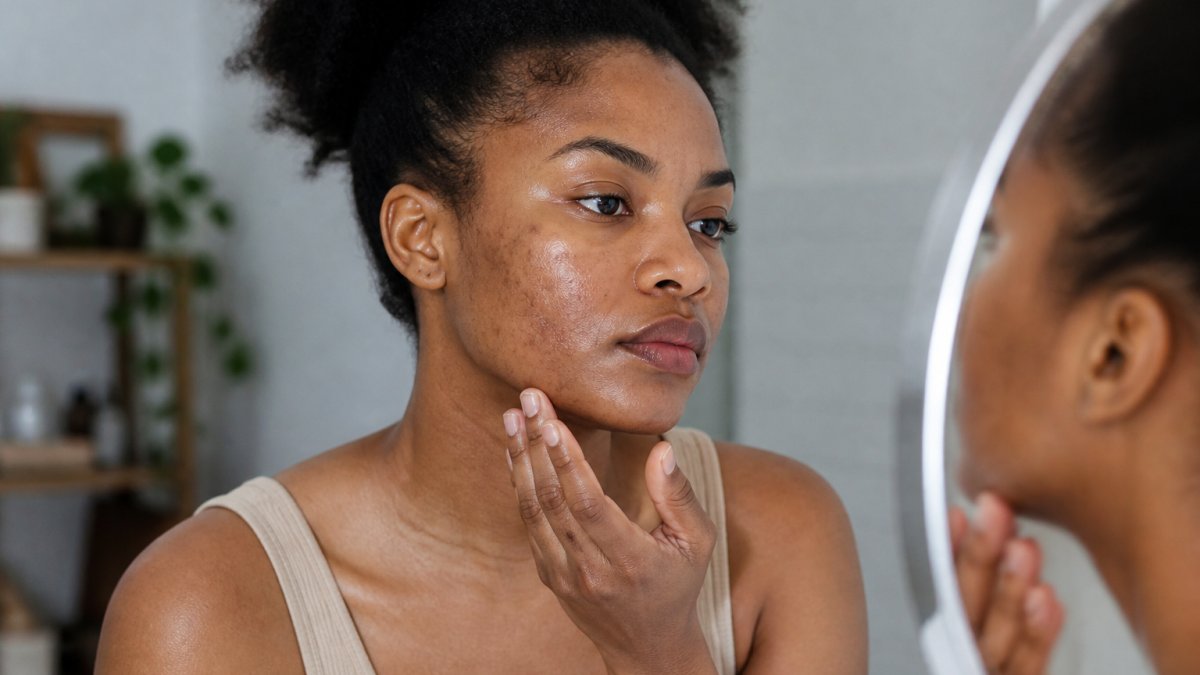
Razor bumps and dark spots are two separate but connected problems that affect many men, especially those with curly or coarse hair. Pseudofolliculitis barbae (the medical term for razor bumps) happens when cut hair curls back and pierces the skin, causing inflammation. Dark spots that appear after shaving are often post-inflammatory hyperpigmentation, discoloration that lingers long after the initial irritation heals.
The good news: you can prevent razor bumps dark spots with the right approach. The solution starts with understanding what causes them in the first place.
What Causes Razor Bumps and Pseudofolliculitis Barbae
Razor bumps form when your hair grows back into the skin instead of straight out. This happens most often with curly or coarse hair because the hair naturally curves.
The blade itself isn't always the problem. According to research published in PubMed Central's review on managing pseudofolliculitis barbae in skin of color, multiblade razors don't necessarily worsen razor bumps when used correctly with proper pre-shave hydration and post-shave care.
Why Curly and Coarse Hair Increases Your Risk
If you have curly, coarse, or tightly textured hair, you're at higher risk for razor bumps. Your hair naturally curves, which means it's more likely to loop back into the skin after shaving.
Straight hair grows straight out. Curly hair curves. That's the fundamental difference. When you shave curly hair close to the skin, you're almost guaranteed some hairs will curl back and cause irritation.
The Connection Between Shaving and Dark Spots
Dark spots appear for a different reason than razor bumps, though they're triggered by the same activity: shaving. When your skin gets irritated, whether from razor bumps, razor burn, or simple friction, it responds by producing extra melanin.
The inflammation doesn't last long, but the dark spots can stick around for weeks or months. That's why preventing irritation in the first place is so much easier than waiting for spots to fade.
How to Prevent Razor Bumps for Men: Pre-Shave Preparation
The foundation of preventing razor bumps starts before the razor ever touches your skin. Pre-shave preparation is where most men go wrong. They skip it, rush through it, or do it incorrectly. Here's how to do it right.
Step 1: Hydrate Your Beard Hair
Start with warm water. Spend 2-3 minutes rinsing your face and beard with warm (not hot) water. This opens your pores and softens the hair, making it easier to cut cleanly.
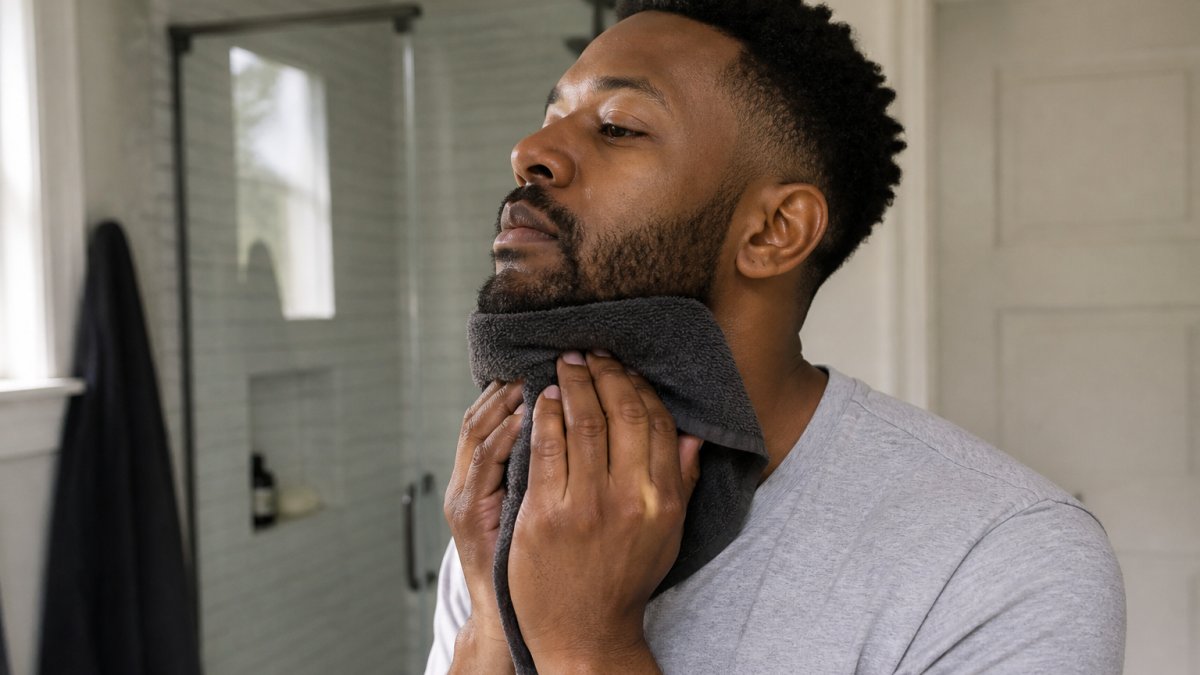
Use a warm washcloth. After rinsing, hold a warm, damp washcloth against your beard for another minute or two. This hydrates the hair shaft and prepares it for cutting.
Don't skip this step. Hydration is the first line of defense against razor bumps.
Step 2: Apply Shaving Cream and Lubrication
Once your beard is hydrated, apply a quality shaving cream. Look for one designed for your skin type, if you have sensitive skin, choose a formula for sensitive skin.
Apply the cream generously. Don't be stingy. A thin layer won't protect your skin properly.
Let it sit for 30 seconds. This gives the cream time to penetrate and soften the hair even more. Then you're ready to shave.
Shaving Technique: The Right Way to Shave With the Grain
How you shave matters as much as what you use. Technique determines whether you get a close shave without irritation or end up with razor bumps and dark spots.
Step 3: Shave With the Grain, Not Against It
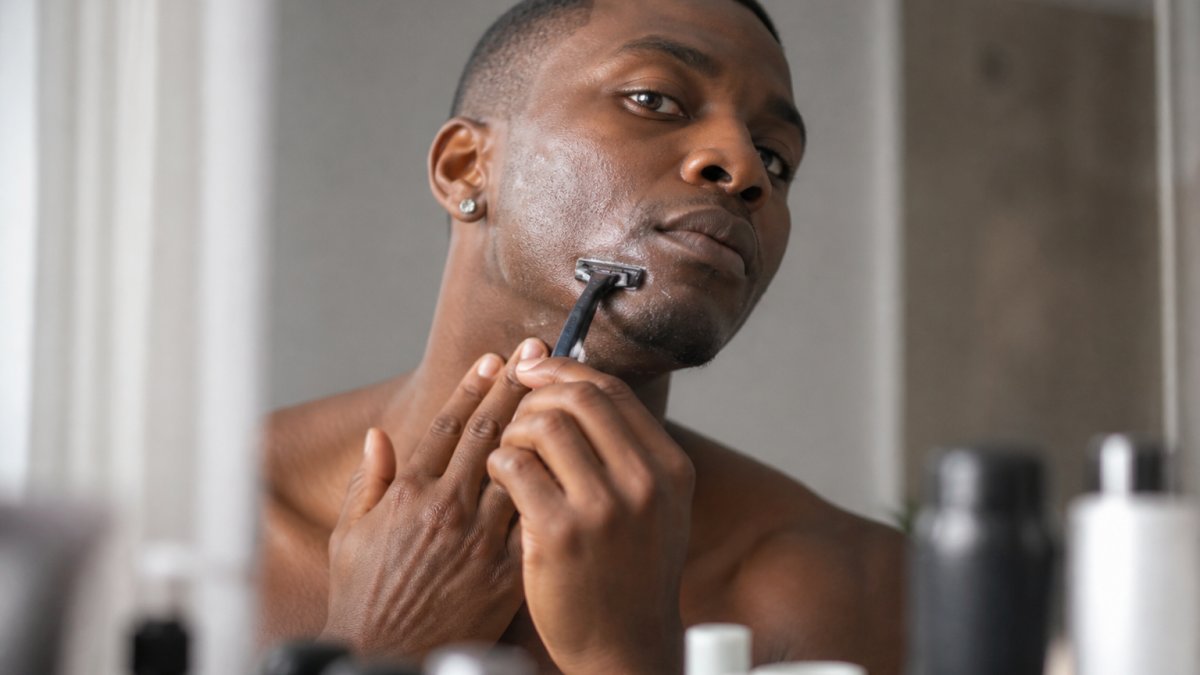
This is the single most important rule: shave with the grain. Your beard grows in a specific direction.
Shaving against the grain gives you a closer shave, but it also cuts the hair below the skin surface. That's where razor bumps come from.
Feel your beard. Run your hand across it. If it feels smooth in one direction and rough in the other, you've found the grain. Shave in the smooth direction.
Step 4: Use Light Pressure and Avoid Multiple Passes
Let the razor do the work. You don't need to press hard. Use light, gentle pressure and let the blade's weight handle the cutting.
Avoid multiple passes over the same area. One pass with the grain is ideal.
Don't stretch your skin. Pulling your skin tight while shaving changes the angle of the hair and can cause it to be cut below the surface. Keep your skin relaxed.
Dark Spots From Shaving: Post-Shave Care and Prevention
What you do after shaving is just as important as what you do before. Post-shave care prevents irritation and reduces the risk of dark spots developing.
Step 5: Rinse and Soothe Immediately After Shaving
Rinse with cool water. This closes your pores and reduces inflammation. Spend at least 30 seconds rinsing thoroughly to remove all shaving cream residue.
Pat dry gently. Don't rub. Rubbing irritates the skin further. Use a clean towel and pat until your face is dry.
Apply a soothing aftershave product right away. This is where many men make a mistake, they skip this step or use the wrong product.
Step 6: Apply Aftershave Care With Soothing Ingredients
Look for aftershave products with soothing ingredients like aloe vera or chamomile. These calm inflammation and reduce redness.
If you have sensitive skin or a history of razor bumps, consider using a product specifically formulated for post-shave care.
Let the product dry completely before touching your face or getting dressed. Don't apply other products on top immediately, give the aftershave time to work.
Ingrown Hairs and Razor Bumps Prevention: Choosing the Right Tools
The tools you use matter, but not in the way many people think. It's not about the number of blades, it's about technique and maintenance.
Single-Blade and Double-Edge Razors vs. Multiblade Options
Single-blade razors cut hair at a single point. Double-edge razors have blades on both sides. Multiblade razors have three, four, or five blades.
Research shows that multiblade razors don't necessarily cause more razor bumps when used correctly.
That said, single-blade and double-edge razors are gentler options if you're prone to irritation.
Choose based on your skin's sensitivity, not on general advice. If multiblade razors work for you, use them.
Electric Trimmers as an Alternative to Close Shaves
Electric trimmers offer a different approach: they don't cut as close, so they eliminate the risk of cutting hair below the skin surface.
The trade-off is that electric trimmers leave visible stubble. If you need a clean-shaven look, they won't work.
Many men with curly or coarse hair find that switching to an electric trimmer solves their razor bump problem completely. It's worth trying if you're struggling.
Blade Hygiene and Replacement Schedule
Keep your razor clean. Rinse it thoroughly after each shave and let it air dry. A dirty blade harbors bacteria and increases infection risk.
Replace blades regularly. Replace single-blade razors every 5-7 shaves (the American Academy of Dermatology).
Store your razor in a dry place. Don't leave it sitting wet in the shower. Moisture promotes bacterial growth and dulls the blade faster.
How to Treat and Prevent Hyperpigmentation From Razor Bumps
Even with perfect technique, some dark spots may appear. Here's how to treat them and prevent them from getting worse.
Understanding Post-Inflammatory Hyperpigmentation
Post-inflammatory hyperpigmentation happens when your skin overproduces melanin in response to inflammation. The inflammation fades, but the dark spots remain.
On darker skin tones, this is especially visible. The contrast between your normal skin tone and the dark spots is more pronounced.
The timeline varies. Some spots fade in a few weeks. Others take months. The darker your skin tone, the longer dark spots typically take to fade.
Exfoliation and Active Ingredients: Salicylic Acid and Glycolic Acid
Gentle exfoliation helps speed up the fading process. Exfoliating removes dead skin cells and encourages cell turnover, which helps fade dark spots faster.
Use a gentle exfoliant 2-3 times per week. Don't over-exfoliate, too much exfoliation causes irritation and can make dark spots worse.
Salicylic acid and glycolic acid are chemical exfoliants that work well for dark spots.
Introduce new actives slowly.
Common Mistakes to Avoid When Shaving
Most men make at least one of these mistakes.
Shaving against the grain for a closer shave. This is the most common mistake.
Using a dull blade. A dull blade pulls hair and causes irritation. Replace blades regularly.
Skipping pre-shave hydration. Dry hair is harder to cut cleanly. Hydration is non-negotiable.
Applying aftershave too soon. Wait until your skin is completely dry before applying other products.
When to See a Dermatologist
Most razor bumps and dark spots improve with proper shaving technique and aftershave care. But some situations warrant professional help.
See a dermatologist if:
- Razor bumps don't improve after 2-3 weeks of proper technique
- Bumps become infected (signs include increased redness, warmth, pus, or pain)
- Dark spots don't fade after 3-4 months
- You develop a pattern of severe irritation that prevents you from shaving at all
- Your skin shows signs of scarring or permanent damage
A dermatologist can prescribe stronger treatments for dark spots, such as prescription-strength exfoliants or laser therapy. They can also rule out other conditions that might look like razor bumps but require different treatment.
To prevent razor bumps dark spots, focus on three things: hydration, technique, and aftercare. The combination of proper technique and the right skincare routine gives you the best chance of maintaining smooth, clear skin without the irritation and dark spots that come from poor shaving practices. Shop now.
| Step | Action | Timing |
|---|---|---|
| 1 | Hydrate beard with warm water and washcloth | 2-3 minutes before shaving |
| 2 | Apply shaving cream generously | After hydration |
| 3 | Shave with the grain using light pressure | One pass, no against-grain passes |
| 4 | Rinse with cool water | Immediately after shaving |
| 5 | Apply soothing aftershave product | While skin is still slightly damp |
| 6 | Replace blade | Every 5-7 shaves (single-blade) or 10-15 shaves (multiblade) |
Frequently Asked Questions
What is the best way to prevent razor bumps and dark spots when shaving?
Prevent razor bumps and dark spots by hydrating your beard with warm water, using quality shaving cream for lubrication, shaving with the grain using light pressure, and applying soothing aftershave care immediately. Choosing the right razor type and maintaining blade hygiene also reduces irritation. Research shows multiblade razors used with preshave hydration and post-shave moisturization do not worsen razor bumps, so technique and aftercare matter more than blade count alone.
How can men prevent ingrown hairs and razor bumps from shaving?
Ingrown hairs and razor bumps prevention starts with preparation: warm your skin, apply shaving cream, and shave with the grain using a sharp blade. Avoid shaving too closely or making multiple passes over the same area. After shaving, rinse with cool water and apply soothing products with aloe vera or chamomile. Consider using an electric trimmer instead of a close shave if bumps persist. Gentle exfoliation 2-3 times per week helps prevent hairs from curling back into the skin.
How long does it take for dark spots from shaving to fade?
Dark spots from shaving (post-inflammatory hyperpigmentation) typically fade over 3-6 months with consistent care, though timelines vary based on skin tone and spot severity. Speed up fading by exfoliating gently with salicylic acid or glycolic acid 2-3 times weekly, and applying hydrating moisturizers. Avoid picking or squeezing razor bumps, which deepens inflammation and extends fading time.
What shaving technique reduces razor bumps and ingrown hairs most effectively?
Shave with the grain, not against it, using light pressure and a single pass. Shaving against the grain cuts hair below the skin surface, causing it to curl back and form bumps. Use a sharp, clean blade and let it do the work without pressing hard. Hydrate your beard beforehand with warm water or a warm washcloth, apply quality shaving cream, and rinse with cool water immediately after. Finish with soothing aftershave care to calm inflammation.