 how-to
How to Fix Uneven Skin Tone: A 2026 Guide
Table of Contents
- What Uneven Skin Tone Looks Like and Why It Happens
- The Best Ingredients for Hyperpigmentation on Melanin-Rich Skin
- Step-by-Step: Building a Skincare Routine for Dark Spots
- How to Fade Dark Spots on Melanin-Rich Skin Safely
- How Long Does Hyperpigmentation Take to Fade?
- When to See a Dermatologist for Uneven Skin Tone
- Common Mistakes That Make Dark Spots Worse
- Frequently Asked Questions
Last Updated: October 16, 2026
What Uneven Skin Tone Looks Like and Why It Happens
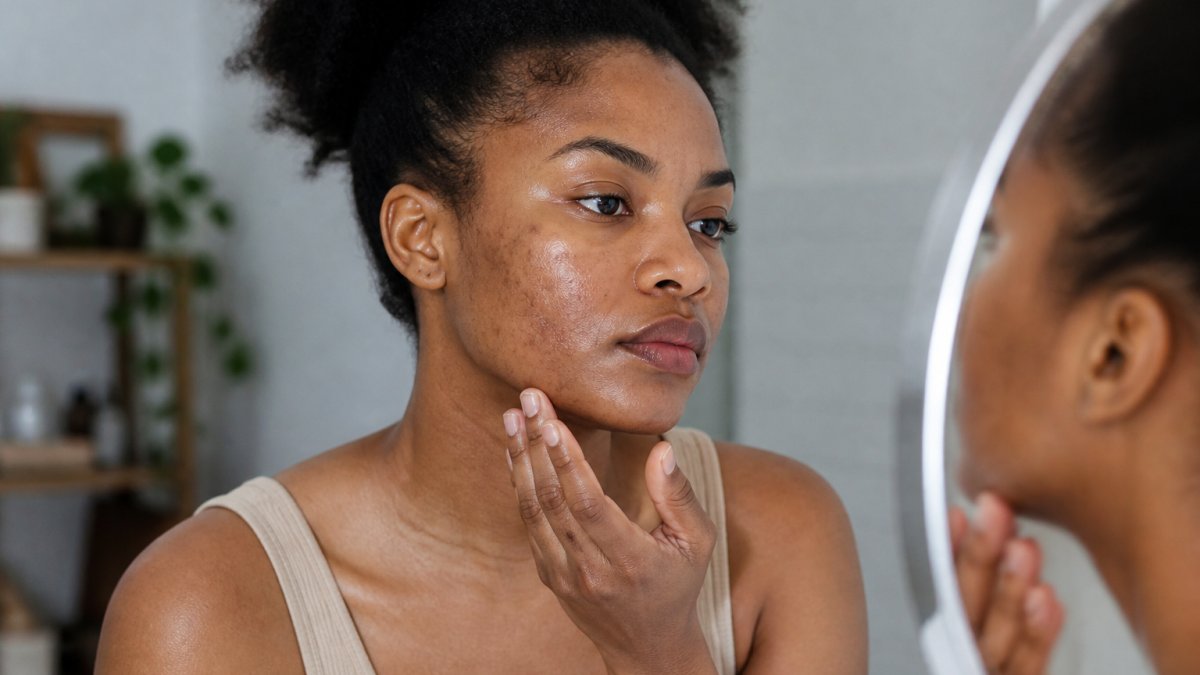
Uneven skin tone is a difference in color across the surface of your skin, showing up as dark patches, lighter spots, or a dull, patchy look. Most cases respond well to the right routine.
Here is what you might notice:
- Dark spots or patches on cheeks, forehead, or upper lip
- Fading acne marks that linger for months
- Rough, dry patches that look gray or ashy
The cause usually comes down to one thing: too much melanin in one spot. Melanin gives skin its color. When skin cells get triggered, they pump out extra melanin, and that shows up as discoloration.
Common Causes: Sun Damage, Acne Marks, and Irritation
Sun exposure is the number one driver. UV rays tell your skin cells to make more melanin, which is why dark spots often appear on the face, hands, and neck.
Other common triggers include:
- Acne marks: Inflammation from breakouts leaves dark spots behind
- Irritation: Rubbing, scratching, or harsh products can darken skin
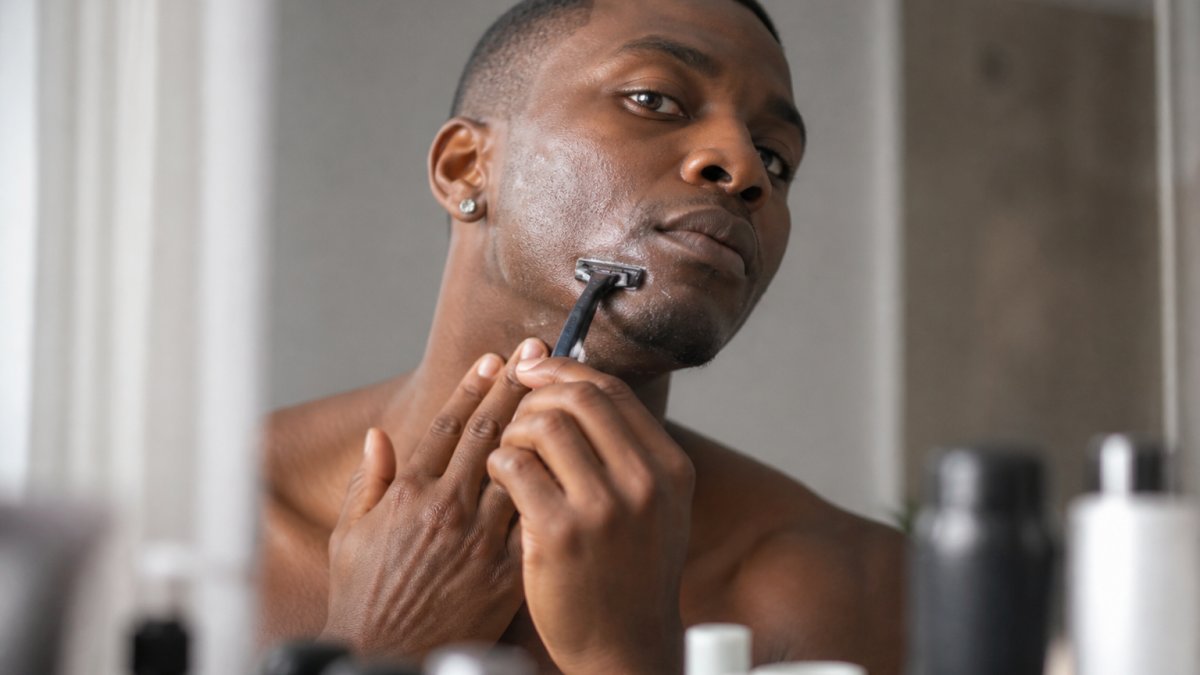
- Razor bumps: Shaving irritation often leaves dark spots on the jaw and neck
Melanin-rich skin has more active melanin cells. That means it responds to irritation faster and holds onto dark spots longer. It also means harsh scrubs and strong peels backfire more easily.
The Best Ingredients for Hyperpigmentation on Melanin-Rich Skin
The best ingredients for hyperpigmentation block new pigment, fade existing spots, and calm irritation at the same time. You want all three working together, not just one. The list below is the same one most dermatology sources point to, but what separates a routine that works from one that backfires is how you introduce and combine these actives.
Look for these:
- Vitamin C: A brightening ingredient that blocks excess pigment and boosts radiance. L-ascorbic acid is the most studied form; it is also the most likely to sting, so start with a lower concentration and build up.
- Niacinamide: Calms irritation and helps even out tone over time. Well tolerated by most skin types, including sensitive and acne-prone skin.
- Azelaic acid: Gentle enough for sensitive skin and effective on dark spots. Often recommended during pregnancy when other actives are off the table.
How to Introduce Actives Without Triggering New Spots
Irritation in melanin-rich skin often heals as a darker spot than the one you started with, so the goal is to add one active at a time and let your skin adjust before adding another.
A common pattern practitioners recommend:
- Week 1-2: Add a single active (usually vitamin C in the morning or niacinamide) and use it every other day.
- Week 3-4: If there is no stinging, redness, or new darkening, move to daily use.
- Week 5+: Add a second active on alternate nights, for example, retinol two nights a week while your morning vitamin C stays in place.
Patch test any new product on the inner forearm or behind the ear for 24 to 48 hours before putting it on your face.
What Not to Combine
- Vitamin C and retinol in the same sitting: Different pH needs and a higher irritation risk. Split them, vitamin C in the morning, retinol at night.
- Retinol and an AHA or BHA on the same night: Doubles the exfoliation load. Alternate nights instead.
- Multiple strong acids layered together: More irritation, not faster fading.
Adapting for Your Skin Type
- Sensitive skin: Start with azelaic acid or niacinamide. Skip retinol until your barrier feels stable.
- Dry skin: Pair every active with a ceramide or hyaluronic acid moisturizer. Dry skin looks duller and more uneven on its own.
- Acne-prone skin: Niacinamide and azelaic acid do double duty, they help with breakouts and the marks they leave behind.
The trick is pairing a treatment serum with a solid moisturizer. Brightening ingredients can dry out skin, and dry skin looks duller and more uneven.
As documented in American Academy of Dermatology guidance on hyperpigmentation, treating dark spots takes patience and daily sun protection, not one miracle product.
Ingredients to Approach With Caution
- Hydroquinone: Effective but typically used in short cycles under a clinician's supervision, not as a permanent part of a home routine.
- Mercury-containing lightening creams: Illegal in the U.S. for cosmetic use and still found in some imported products. Avoid anything without a clear ingredient list.
- Unlabeled "brightening" creams from unfamiliar sellers: No way to verify what is inside. Stick to products with full ingredient disclosure.
If you are pregnant, breastfeeding, or taking a medication that affects your skin, check with a clinician before starting retinol, hydroquinone, or high-concentration acids.
Step-by-Step: Building a Skincare Routine for Dark Spots
A skincare routine for dark spots works best when it is simple, consistent, and built around sun protection. Here is the exact order we recommend for morning and evening.
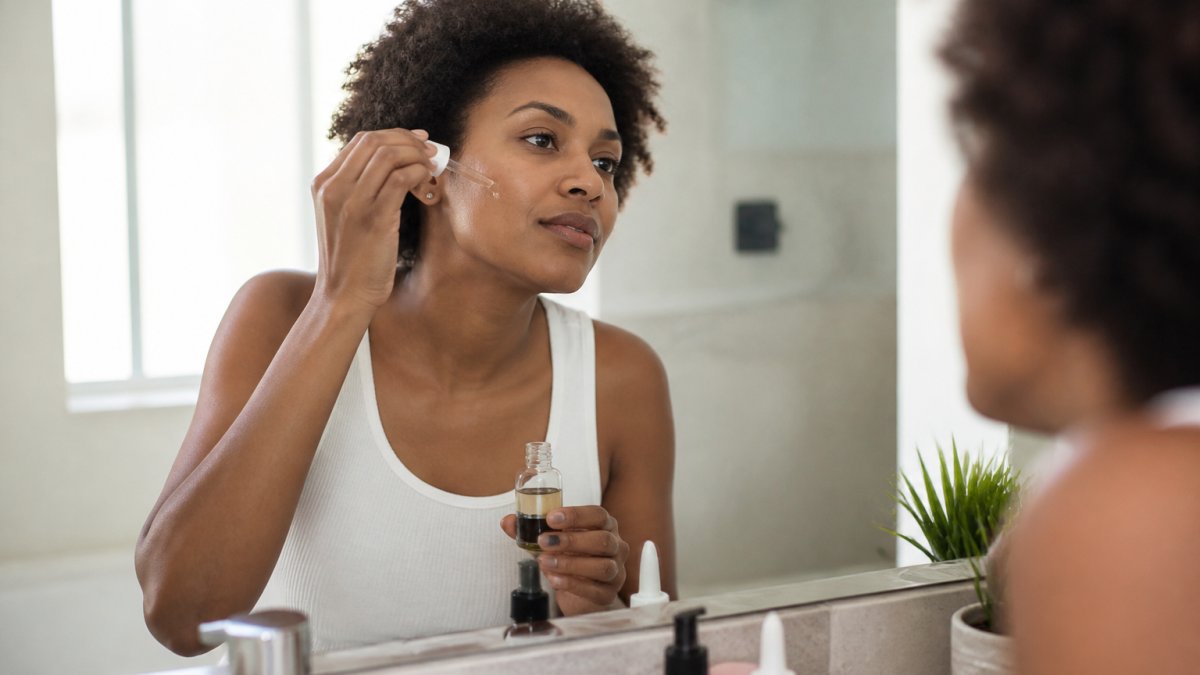
Morning Routine: Protect and Prevent
- Cleanse gently. Use lukewarm water and a mild cleanser. Hot water strips skin and triggers irritation.
- Apply vitamin C serum. Pat it into your face and neck. This is your brightening step.
- Moisturize. Lock in hydration while skin is still damp.
- Apply sunscreen. Use SPF 30 or higher, every single day, rain or shine.
Sunscreen is non-negotiable. Without it, UV protection fails and your dark spots keep coming back.
Evening Routine: Treat and Repair
- Remove sunscreen and makeup. Clean skin absorbs treatment better.
- Apply your treatment serum. Alternate ingredients on different nights to avoid irritation.
- Use a retinol two to three nights a week. Start slow and build up.
- Moisturize generously. This is when skin repairs itself.
How to Fade Dark Spots on Melanin-Rich Skin Safely
Fading dark spots on melanin-rich skin safely means treating gently and protecting daily. Aggressive scrubbing and strong chemical peels can cause more discoloration, not less.
Start with these steps:
- Use a gentle exfoliation once or twice a week, no more
- Choose chemical exfoliation over harsh scrubs
- Add a targeted treatment for stubborn spots
Natural remedies like aloe vera or green tea can soothe skin, but they will not fade pigmentation on their own.
Consistency matters more than strength. A mild routine you follow every day beats a strong routine you quit after a week.
How Long Does Hyperpigmentation Take to Fade?
Most people see gradual improvement in eight to twelve weeks with a consistent routine. Some dark spots fade faster, and deeper ones can take six months or longer.
Several things affect your timeline:
- Depth of the pigment: Surface spots fade faster than deep ones
- Cause: Acne marks often clear quicker than sun damage
- Consistency: Skipped days slow everything down
Track your progress with photos every two weeks. Changes are slow and easy to miss in the mirror.
When to See a Dermatologist for Uneven Skin Tone
See a dermatologist if a dark spot changes shape, grows, bleeds, or itches. Those signs need a professional look, not another serum. A spot that is new, asymmetric, multi-colored, or evolving is the pattern clinicians are trained to evaluate for skin cancer, and it should never be managed at home.
You should also book a visit if:
- Spots have not improved after three months of consistent care
- You have deep pigmentation that covers a large area
- Your skin reacts badly to every product you try
Cause-Specific Treatment Pathways
Not every uneven tone responds to the same treatment. A dermatologist will usually identify the cause first, because the pathway changes based on what is driving the pigment.
- Post-acne marks (post-inflammatory hyperpigmentation): Often fades on its own over months. In-office options include gentle chemical peels and, for stubborn cases, light or laser treatments. The priority is controlling the acne itself so new marks stop forming.
- Melasma: A chronic, hormone- and sun-linked pigmentation that is notoriously stubborn. Treatment usually combines daily broad-spectrum sunscreen, topical agents like azelaic acid or hydroquinone in short cycles, and sometimes oral or procedural options under supervision. Melasma often recurs, so maintenance matters more than a one-time fix.
- Sun spots (solar lentigines): Respond well to cryotherapy, intense pulsed light, or laser therapy. Without daily sunscreen, they return.
What to Expect From In-Office Treatments
Professional treatments generally work faster than at-home routines, but they are not one-and-done. Most people need a series of sessions spaced weeks apart, and results still depend on daily sun protection afterward. In melanin-rich skin, some procedures carry a risk of new post-inflammatory hyperpigmentation if the settings or aftercare are wrong, which is why choosing a clinician experienced with your skin tone matters as much as the treatment itself.
Evidence Quality: What Is Well-Supported vs. What Is Not
- Well-supported: Daily broad-spectrum sunscreen, topical retinoids, azelaic acid, vitamin C, niacinamide, hydroquinone (short-term, supervised), and prescription combination creams.
- Supported but procedure-dependent: Chemical peels, microneedling, IPL, and lasers, results vary by device, settings, and operator skill.
- Less established: Many natural remedies marketed for brightening. Aloe vera and green tea can soothe skin, but the evidence that they fade pigmentation on their own is weak.
If you have melasma, a stubborn form of pigmentation, a doctor can build a plan that fits your skin. According to U.S. Food and Drug Administration guidance on skin lightening products, some lightening products sold online contain unsafe ingredients, so always check with a professional before buying.
A dermatologist visit is not a last resort. For melasma, deep pigmentation, or spots that change, it is the fastest route to an accurate diagnosis and a plan that matches your skin tone.
Common Mistakes That Make Dark Spots Worse
The biggest mistake is skipping sunscreen. Without daily sun protection, every other step in your routine loses most of its power.
Other mistakes to avoid:
- Over-exfoliating: More than twice a week irritates skin and darkens spots
- Picking at acne: This leaves deeper marks that take longer to fade
- Using harsh scrubs: Rough grains cause micro-tears and irritation
| Mistake | Fix | Why It Matters |
|---|---|---|
| Skipping sunscreen | Apply SPF 30+ daily | UV exposure restarts pigmentation |
| Over-exfoliating | Limit to 1-2 times weekly | Irritation darkens melanin-rich skin |
| Picking at acne | Use a spot treatment instead | Prevents deeper dark marks |
| Quitting early | Track progress every 2 weeks | Results take 8-12 weeks |
| Mixing actives | Alternate nights | Reduces irritation and flare-ups |
The difference between skin that clears and skin that stays patchy usually comes down to patience and protection. Not the price of your serum.
Frequently Asked Questions
Can lemon juice lighten dark spots?
Lemon juice is highly acidic and can irritate melanin-rich skin, often making dark spots worse. It strips the skin barrier, triggers inflammation, and can cause post-inflammatory hyperpigmentation. Instead, use proven brightening ingredients like vitamin C, niacinamide, or azelaic acid in a consistent skincare routine for dark spots. These ingredients fade pigmentation gradually without damaging your skin or causing new discoloration.
How long does it take to improve uneven skin tone?
Most people see gradual improvement in 6 to 12 weeks with a consistent routine. How long hyperpigmentation takes to fade depends on the cause, depth, and your skin's turnover rate. Surface-level dark spots from acne or irritation may lighten in 4 to 8 weeks. Deeper pigmentation from sun damage can take 3 to 6 months or longer. Daily sun protection is essential because UV exposure slows progress and can darken existing spots.
Does sunscreen help prevent dark spots from getting darker?
Yes. UV exposure is one of the main triggers for hyperpigmentation, and unprotected sun exposure causes existing dark spots to darken and new ones to form. Daily sun protection, even on cloudy days, is the single most important step in any routine to fix uneven skin tone. Look for a broad-spectrum sunscreen with SPF 30 or higher and reapply every two hours when outdoors.
When should you see a dermatologist about uneven skin tone?
See a dermatologist if dark spots change shape, color, or size suddenly, if they bleed or itch, or if at-home treatments show no improvement after 3 to 4 months. A dermatologist can determine whether your pigmentation is from sun damage, melasma, or another condition and recommend prescription treatments or professional procedures like chemical peels or light-based therapy that may not be available over the counter.
Uneven skin tone can feel like a losing battle when you have tried product after product with nothing to show for it. At Clear Essence®, we build dermatologist-tested, cruelty-free formulas made for melanin-rich skin, so you are not guessing. Our science-backed products fade dark spots, even skin tone, and deeply hydrate dry, sensitive skin without the irritation that makes pigmentation worse. Get started with Clear Essence® and build a routine that finally delivers a healthy, confident glow.