 how-to
How to Fix Ashy Dry Skin on Your Face?
Quick Summary
To fix ashy dry skin on your face, cleanse gently with lukewarm water and a mild cleanser, then apply a thick moisturizer while your skin is still damp. Repeat this routine twice a day and avoid hot water, scrubbing and harsh products while your skin recovers.
- Hot water strips natural oils, so use lukewarm water instead.
- Choose a mild cleanser and avoid strong soaps or heavy fragrance.
- Apply a thick moisturizer to damp skin, once in the morning and once at night.
- Use occlusives like petroleum jelly on the driest spots such as cheeks and around the nose.
- See a dermatologist if flakes or tightness persist beyond 4 weeks.
Table of Contents
- What Ashy Dry Skin on the Face Looks Like
- Common Causes of Dry, Flaky Skin on the Face
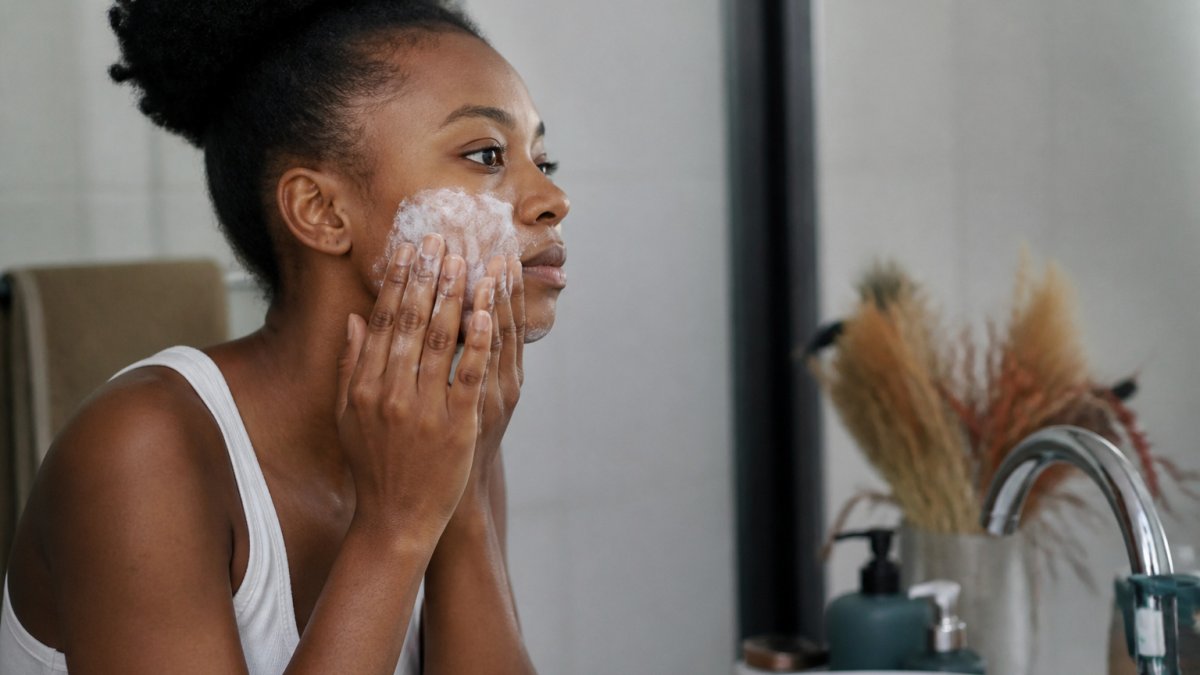
- Step 1: Switch to a Gentle Cleanser for Dry Skin
- Step 2: Apply a Thick Moisturizer While Skin Is Damp
- Step 3: Choose Ingredients That Support Hydration
- What to Avoid While Your Face Recovers
- How Long Dry Skin Takes to Heal and When to See a Dermatologist
- Frequently Asked Questions
What Ashy Dry Skin on the Face Looks Like
Last Updated: October 28, 2026
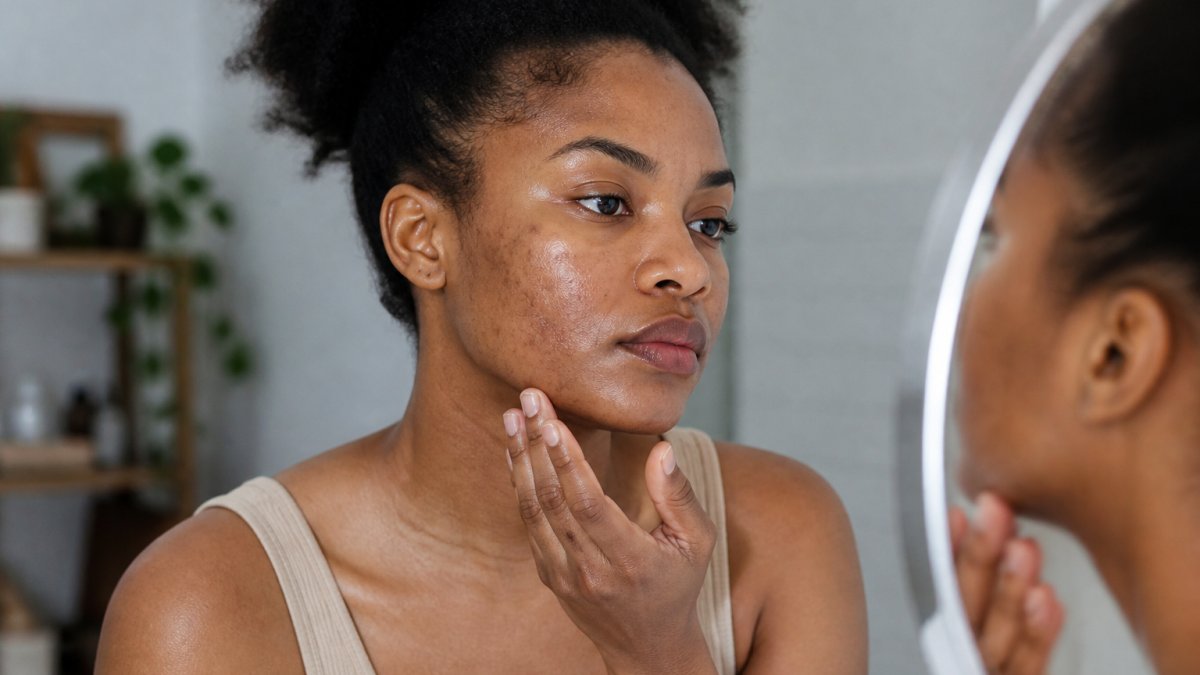
Ashy dry skin on the face looks dull, grayish, or flat, and it often feels tight or rough to the touch. If your face has lost its usual glow and you see fine flakes, you may be dealing with ashy dry skin.
Ashy skin does not always look the same on everyone. On melanin-rich skin, it often shows up as a dull, chalky cast instead of obvious redness or scaling. Many people notice it first around the cheeks, nose, and forehead, where skin can feel tight after washing.
Here are the most common signs to watch for:
- A dull or grayish look that makes skin seem less even
- Fine, dry flakes, especially around the nose and mouth
- A tight feeling after washing your face
- Rough patches that feel bumpy under your fingers
- Itching or mild irritation, particularly in cold weather
Common Causes of Dry, Flaky Skin on the Face
Here are some factors associated with dry facial skin:
- Hot water and frequent washing. Hot water strips natural oils from the skin (the American Academy of Dermatology).
- Harsh cleansers. Products with strong soaps or heavy fragrance can irritate dry skin.
- Cold, dry weather. Low humidity pulls moisture out of the skin.
- Indoor heating and air conditioning. Both dry out the air in your home or office.
- Skipping moisturizer. Skin loses water quickly if you do not seal it in after cleansing.
A study on skin care found that a simple daily routine of a mild cleanser followed by a glycerin-rich moisturizer helped improve both the look and feel of dry skin over time (A consistent skin care regimen leads to objective and subjective improvements in dry skin). That is good news, because it means you do not need a complicated routine to see results. Read how vitamin D supports skin repair and barrier strength to learn more about one possible underlying factor.
The article lists several everyday factors that dry out facial skin.
| Cause | Why it dries skin |
|---|---|
| Hot water and frequent washing | Strips natural oils from the skin |
| Harsh cleansers | Strong soaps or heavy fragrance irritate skin |
| Cold, dry weather | Low humidity pulls moisture out of skin |
| Indoor heating and air conditioning | Dries out the air in your home or office |
| Skipping moisturizer | Skin loses water quickly without a seal |
Step 1: Switch to a Gentle Cleanser for Dry Skin
You can find these cleansers in most drugstores and beauty stores. Browse our gentle cleansers to compare options for dry skin.
Step 2: Apply a Thick Moisturizer While Skin Is Damp
If you want a rich option, explore our dry skin moisturizers. For a lightweight body option that also softens dull skin, you could also try the Platinum Skin Beautifying Body Oil.
Step 3: Choose Ingredients That Support Hydration
- Occlusives form a breathable seal that slows water loss. Petroleum jelly, mineral oil, and dimethicone are the most reliable.
The layering order that works
- Occlusive on the driest spots. Dab a thin layer of petroleum jelly or a petrolatum-based ointment on cheeks, around the nose, and anywhere that cracks or flakes.
How to read a label
- Urea is dose-dependent. Around 5% urea hydrates; 10% and above can exfoliate, which is too much while skin is flaky.
Cautions for sensitive or irritated skin
Want to see which products include these ingredients? Check out our dry skin collection for options built around hydration.
What to Avoid While Your Face Recovers
It also helps to avoid new products all at once. Change one thing at a time so you can tell what helps and what does not.
How Long Dry Skin Takes to Heal and When to See a Dermatologist
A realistic timeline looks like this:
- Beyond 4 weeks: If you are still seeing flakes or tightness, the routine needs adjusting or something else is going on.
Ordinary dryness vs. something more
These patterns do not diagnose anything on their own, but they are a signal to have a professional look at your skin rather than continuing to experiment with products.
When to see a dermatologist
A dermatologist can check for an underlying condition and recommend treatment that fits your skin. Do not wait too long if symptoms are getting worse.
Frequently Asked Questions
How do you fix ashy, dry skin on your face?
Start by washing with a gentle, fragrance-free cleanser and lukewarm water rather than hot water. Pat your face dry while it is still slightly damp, then apply a thick moisturizer such as a cream or ointment within a few minutes. Repeat this twice daily, avoid harsh exfoliants during the flare, and use a sunscreen during the day. Most people notice the ashy look fading within one to two weeks of consistent care, though full recovery can take longer depending on the cause.
What is the best moisturizer for ashy skin?
Thicker, occlusive moisturizers usually work better than lightweight lotions for ashy skin on the face. Look for creams or ointments that contain humectants like glycerin or hyaluronic acid, plus an occlusive such as petroleum jelly, shea butter, or a plant oil. Fragrance-free formulas are a safer choice if your skin is irritated. Patch-test any new product on a small area first, and avoid heavy products that clog pores if you are prone to breakouts.
How long does it take for dry facial skin to improve?
Many people see visible improvement in dry, flaky facial skin within about one to two weeks of a consistent routine of gentle cleansing and regular moisturizing. Skin that is ashy or irritated from long-term dryness may take several weeks to fully recover. If there is no improvement after about four weeks, or if you notice redness, swelling, cracking, or pain, see a dermatologist, because the dryness may be linked to a skin condition.
When should you see a dermatologist about dry patches on your face?
See a dermatologist if dry patches last more than a few weeks despite a consistent routine, or if they are itchy, scaly, red, painful, or spreading. Persistent patches can be a sign of eczema, psoriasis, or another skin condition that needs prescription treatment. A dermatologist can examine the area, confirm the cause, and recommend a treatment plan that fits your skin.